
 In a world where financial verbiage can seem like a foreign language, it is more important than ever to break down the barriers to understanding money management. During the 2023-2024 academic year, ēCO presented to over 2000 high school seniors in 11 different schools. This presentation included different aspects of financial education for seniors in high school. Our mission is to continue to empower individuals with the knowledge and tools they need to navigate their financial journey confidently. Financial literacy is the foundation of your relationship with money. It is about understanding how money works in the real world, how to manage it, save it, and invest it. But why is it so crucial? Because financial literacy is not just about affording the life you want; it is about creating it. Here is how we do it:
Let's keep it real and take a big bite out of reality!
0 Comments
 The eCO Credit Union Foundation was chartered in 2015 to help spread financial literacy in the communities served by eCO Credit Union. Throughout the years, the Foundation has accomplished this mission through a variety of outreach, including classroom seminars, grants, online programs, and even a financial conference. We are excited to share more about the most recent recipient of the eCO Credit Union Foundation’s outreach.
Beverly Morse has taught for a number of years; after joining the Jefferson County Schools system this year, she learned about the eCO Credit Union Foundation Grant program and quickly applied. She wants to implement a program in her classroom called “Financially ‘LIT.’” As a teacher at Erwin Middle School, a Title 1 School, she wants to give her students the tools they need to break the cycle of poverty. The program will involve a variety of components. Some of the focuses include budgeting, checking accounts, and identifying money. She plans to add a “Transformation Room’ where students will be able to purchase from a café, clothing shop, and grocery store. Ms. Morse was presented with the grant check at eCO Credit Union’s Clay branch. The eCO Credit Union Foundation also plans to partner with her to offer classroom seminars for her students. Thank you for championing financial literacy, Mrs. Morse! We look forward to seeing how your students are impacted by your passion for financial education.  Summer is a time for family fun and outdoor activities, but also one of increased spending. According to consumer credit reporting agency Experian, consumers surveyed spent an average of $2,275 per person on vacations in 2016, with $1,308 of that amount on credit card spending. Fortunately, there’s a way to maximize summer fun while minimizing stress on your wallet. Read on to learn five common summer spending mistakes and how to avoid them.
Mistake #1: Thinking You Have to Spend to Have Fun It’s hard not to have FOMO when you see commercials for cruises or hear your officemate bragging about her weekend at the beach. But don’t let your envy get the best of you; it’s possible – even preferable – to have summer fun without breaking the bank. Solution: Don’t have the money for a big trip to Europe? Try a staycation! You might be pleasantly surprised at the local attractions you’ve missed out on while looking at destinations further away, let alone the reduced stress from not having to pack or plan complex travel details. Just because you’re staying home doesn’t mean you can’t spend any money. Since you’re saving on travel and hotels, maybe you can splurge on dinner at that fancy new restaurant in town or attend a sporting event for your favorite team. If your kids are complaining “we never go anywhere!,” check out camping spots within driving distance. A night spent in a tent or cabin with a campfire doesn’t cost much, but helps you feel like you’re a world away. Don’t forget to look for easy ways to save during the week as well. Instead of meeting friends after work for expensive dinners, host a gathering and grill out on the deck. And with the savings you’ve gained, you can start budgeting now for your dream trip next summer (more on that below). Mistake #2: Letting a Dream Vacation Put You Into Debt Whether it’s a National Park, a Caribbean cruise, or a week at the beach, vacations can quickly add up to lingering debt. But that doesn’t have to happen. Solution: If you plan ahead, there are a number of smart moves you can make to keep travel costs manageable. With a travel rewards credit card, for example, you can save money on flights, hotels, gasoline, amusement-park admissions and more – but make sure you pay your balance off every month to avoid losing what you gained in interest payments! Choosing a hotel with breakfast included is another easy way to save, and many hotel chains also offer their own rewards programs. Timing is also something to consider. According to research by air-travel company Hipmunk, the best time to book a summer flight in 2018 was the last week of April; doing so saved some travelers 12 percent! And if you’re planning to rent a house, you’ll need to think even further ahead – January is the best month to find deals on rentals, and most housing options are completely booked by April 1. Mistake #3: Splurging on Summer Fashion We get it. When those swimwear sales start popping up, you want to bury your flannel in the backyard and immediately give your wardrobe a fresh summer update. But beware: buying summer fashions in the spring can cost you. Solution: The best time to buy summer clothes is not before summer but after, when stores need to get rid of existing stock to make room for their fall and winter-wear. In fact, you can typically save 30 to 50 percent on everything from t-shirts to beach umbrellas just by waiting to make purchases two months into the season; for summer, this means August. So plan ahead and stock up for next summer early to avoid impulse purchases when the weather warms up. Mistake #4: Forgetting to Budget for Summer Activities The cost of summer activities can add up fast. Do you have kids? Fees for summer camp can range from less than $100 to more than $1,500 per week, according to the American Camp Association. Solution: Before summer rolls around, sit down as a family and decide how you want to spend your summer, look at how much each activity will cost – and then prioritize. If summer camp is not in your price range this year, check out your local YMCA or community center for less expensive municipal activities, sports, and arts courses for your kids. Once you know how much you’ll need, you can make a savings plan to put away a percentage of your budget each week until you’re ready to go. Budget something for spontaneous expenses, too – that movie date, ice cream run, or country fair that might pop up! That way, you’ll be ready for the fun without any unpleasant surprises. Mistake #5: Ignoring the Big Picture While we often acknowledge colder months as a time to review our finances and begin planning for a new year, summer is a great time to check-in on those New Year’s resolutions (or make new ones!) to make sure you’re still on track to meet your goals. Solution: Take some time this summer to reassess your financial picture. Do you really need the deluxe cable package when a more economic one will do – especially when you’re spending more time outside and coming home later in the evening? How about your cell phone package - are you really using that unlimited data? Maybe you can freeze your gym membership during the warmer months when the weather is right for exercising outside or you’ll be on vacation. By cutting down on unnecessary expenses, you’ll find more room in your summer budget for things that are truly worth spending your money on. Summer Fun Shouldn’t be Stressful By prioritizing activities, planning ahead, cutting out unnecessary spending, and being creative with your entertainment choices, you can enjoy those longer days without worrying about a cloud of debt following you into the fall. Want to learn more about planning for summer spending? Check out these modules in the ēCO Education Center: This article was developed as part of ēCO Credit Union Foundation’s partnership with EVERFI, Inc. 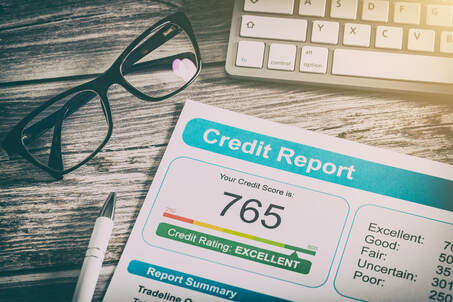 Let’s be honest, establishing good credit is probably the last thing on anyone’s mind, especially for consumers who are just reaching college age or are even still in high school. But what many younger consumers don’t understand is building and establishing a solid credit history matters more than ever in today’s world. Credit is central to reaching important financial milestones, such as buying a home or car. Credit has a large impact on the rates consumers pay as well. It is also important when renting an apartment or setting up utility bills. Don’t fall victim to paying those hefty deposits because you have no established credit. SPOILER ALERT: It is not fun. Many employers even use credit scores when deciding whether to hire job candidates. In a study done by CareerBuilder and reported by CNBC, 72 percent of employees conduct background checks, with 29 percent also checking credit reports. So when is the best time to start building credit? I am so glad you asked. A U.S. News article recommends that people start building credit at age 18. A person can’t legally contract for debt prior to the age of 18. Unfortunately, a lot of students and young adults do not realize the impact this three-digit number will have on their entire financial lives; I know I didn’t when I was 18. Starting to build credit at 18 is also beneficial simply because 15 percent of FICO credit score reports depend on the length of credit history. Lenders and employers want to see a history of managing credit responsibly. The CARD Act of 2009 made it more difficult for consumers younger than 21 years old to get a credit card in their name. An applicant younger than 21 years of age has to show proof that he or she has the financial means to handle their debt or get a parent (or spouse) to co-sign before becoming eligible to be a card-holder. In the states of Alabama and Nebraska the age of majority is 19. In Mississippi and Puerto Rico the age of majority is 21. Having higher ages of majority makes it even more difficult for those who are trying to take the steps to start building credit early. No one is perfect and mistakes happen. By starting to build credit early, consumers have a chance to make up for mistakes made, while learning how to be financially responsible. So where do you start? How do you build credit? You’re not alone in wondering where the path to a good credit score begins. A survey done in November of 2018 on credit cards found that more than 40% of college-age consumers said their parents or teachers never educated them on how credit scores are calculated or how to use a credit card responsibly. before getting one. If you are eager to start building credit and shaping your financial future, start with a checking account. Checking accounts don’t directly impact your credit score making it a good way to start creating sound financial habits. A good credit score is a byproduct of good financial habits. This also helps you avoid costly mistakes that could damage your credit. While a credit card is an obvious way to start building credit, it is important to start small. Learn financial lessons with amounts that are manageable for your budget. The key to building a good credit profile is actually quite simple: don’t take on more debt than you can support, pay your debt on time, keep unsecured balances low and continually pay them off. At ēCO Credit Union the age required for opening a credit account is 19 due to the Alabama Age of Majority. The FORWARD>>> account is available for those that are interested in establishing sound financial habits and are between the ages of 19 and 29. The FORWARD>>> Credit Card offers the following:
Want someone to come talk to your class or community group about responsibly establishing credit? Contact the ēCO Credit Union Foundation at [email protected]. Loans and Credit Cards are subject to credit approval. ēCO is federally insured by the NCUA and an Equal Housing Opportunity Lender. APR- Annual Percentage Rate  |
 RSS Feed